CULTURE · 5 min read
Understanding the Theyyam season and the Malayalam calendar
Why does every Theyyam date change each year? Because the kavus follow the Kollam-era solar calendar. Here is how to read it.
Kannur Tourism Guide editorial · 1 November 2026
The season
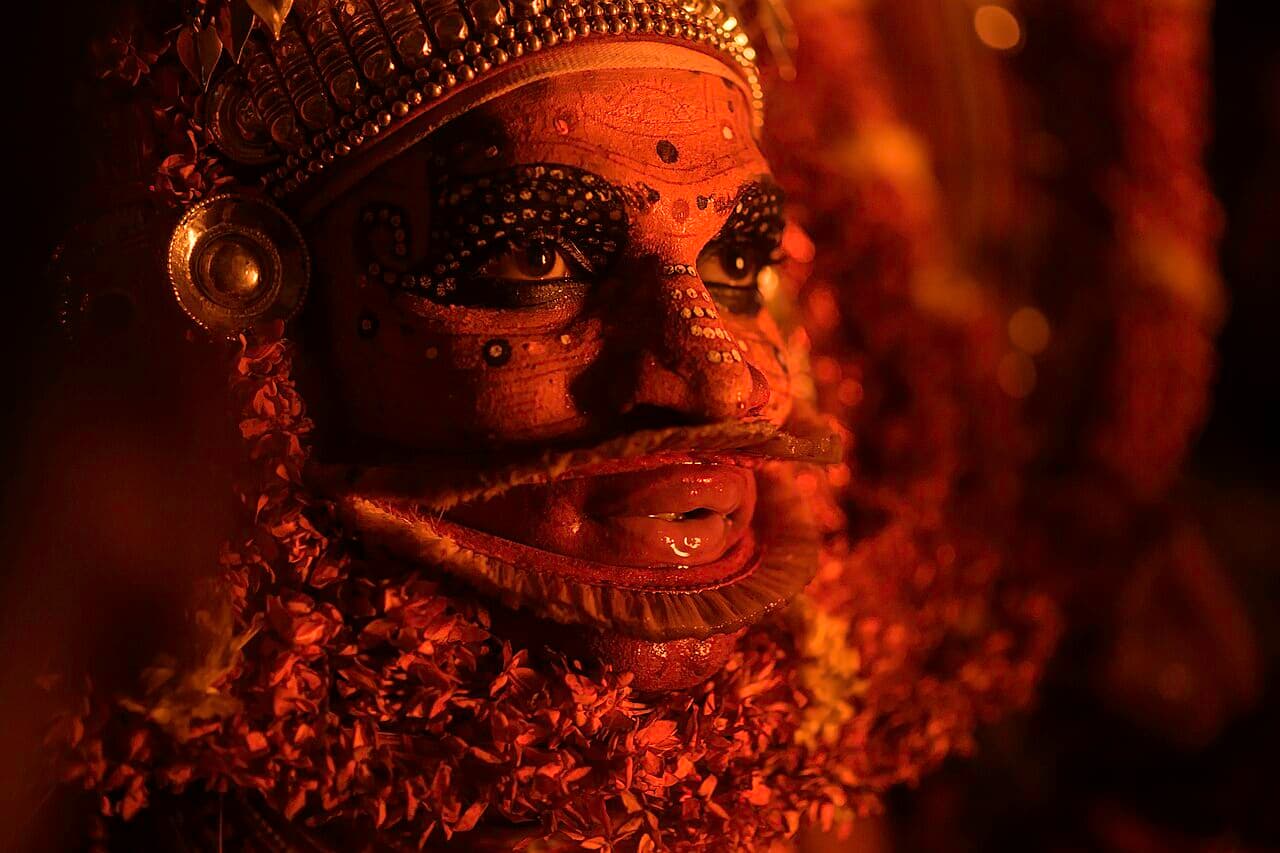
The Theyyam season in Kannur opens on Thulam 10 (about 27 October) and runs until the middle of Edavam (late May), with the last Theyyams at Madayi Kavu and Kalarivathukkal. The peak is Makaram and Kumbham (mid-January to mid-March), when there is a Kaliyattam somewhere in the district almost every night.
Malayalam months and their Gregorian equivalents
The Malayalam calendar (Kollavarsham) is solar: each month begins when the sun enters a new zodiac sign, so the start date shifts by a day or so from year to year.
- Thulam — 17 Oct to 16 Nov
- Vrischikam — 17 Nov to 15 Dec
- Dhanu — 16 Dec to 13 Jan
- Makaram — 14 Jan to 12 Feb
- Kumbham — 13 Feb to 14 Mar
- Meenam — 15 Mar to 13 Apr
- Medam — 14 Apr to 14 May
- Edavam — 15 May to 14 Jun
A kavu that celebrates "Kumbham 1–7" will therefore always fall around 13–19 February, but the exact Gregorian dates must be read from the year's calendar. That is why this portal shows both the Malayalam date and a derived Gregorian date, and marks the Gregorian date as tentative until the committee confirms it.
Kinds of festivals
- Kaliyattam — the annual Theyyam festival of a kavu, usually 2–4 days.
- Perumkaliyattam — a grand festival held once in 12, 25 or even 50 years, mostly at Muchilottu Bhagavathi kavus, with dozens of Theyyams and lakhs of visitors.
- Vellattam / Thiruvappana — the daily Muthappan Theyyams at Parassinikkadavu and seasonal ones at Kunnathoor Padi.
- Kalasam — closing rituals of certain temples featuring Theyyam.
What a Kaliyattam day looks like
1. Evening: Thottam — the performer, in a light costume, sings the deity's story. 2. Night: Vellattam of the minor deities; music of chenda and elathalam. 3. Small hours: fire Theyyams (Theechamundi, Pottan, Kandanar Kelan). 4. Dawn: the principal Bhagavathi in full kolam with the great mudi. 5. Morning: blessings, prasadam, Gulikan closes the festival.